Evaluating a Tent Supplier: From Fabric Quality to Production Capacity Insights
Tent supplier evaluation guide · October 2026
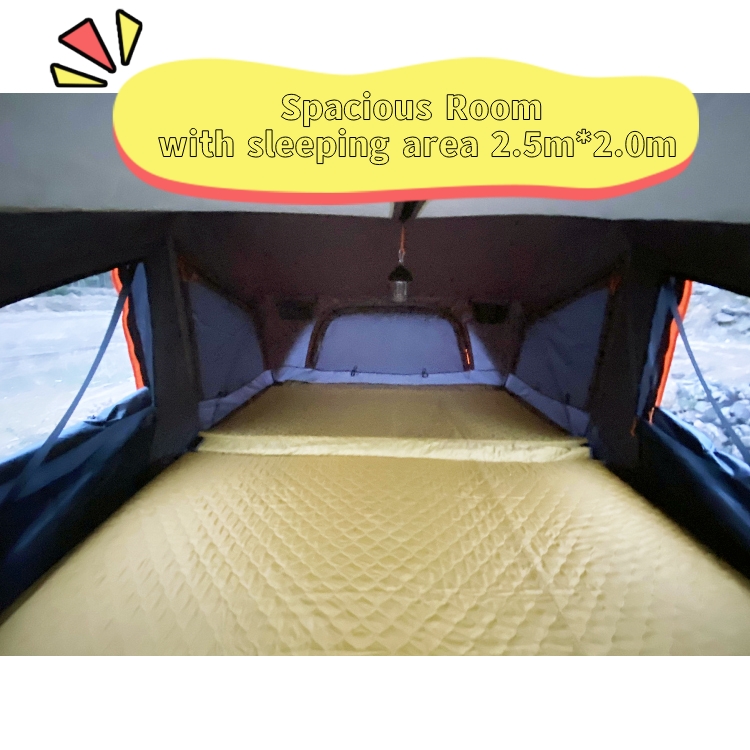
Most tent sourcing projects begin with a folder of certificates, and many of them stall there. A certificate is a copy, it is often years old, and it rarely shows whether a factory can repeat the same quality across a 5,000-unit order. A more dependable way to judge a supplier is to read what is visible in the product and in the plant: the fabric it chooses, the frames it assembles, the categories it can produce, and the footprint behind them.
This guide sets out how to evaluate a camping tent supplier using those visible indicators. The working example is XIAMEN MARVELOUS OUTDOOR TECHNOLOGY Co., Ltd., the Chinese manufacturer behind the MARVELOUS brand, established in 2019, which produces camping tents, rooftop tents and inflatable tents. Every specification quoted below comes from published model data, so the same checks can be run on any other supplier.
Why Tent Supplier Evaluation Stalls on Paperwork
A buyer asking 'can this factory actually deliver?' usually receives an answer made of documents rather than capability. That creates three specific problems.
- A certificate is a copy, not a live status. Buyers cannot always confirm when it was issued, which construction it covered, or whether it still applies to the fabric and frame currently in production.
- A certificate describes a sample, not a production system. Passing a test on one submitted tent does not demonstrate that the same waterproof rating, seam sealing or frame tolerance survives volume manufacturing.
- Documentation says nothing about range, tooling or capacity. It cannot show whether a supplier can run fabric rooftop tents, air-column inflatables and pole-frame family tents on the same floor, or how many units per year it can realistically ship.
Documentation is still useful as a reference point rather than a verdict. Recognized standards do exist: ISO 5912:2020 specifies safety, performance and fitness-for-use requirements for camping tents, including flammability and rain resistance, and CPAI-84 is a mandatory flammability standard in several US states (CA, NY, NJ, MA, LA, MI, MN) and a federal requirement in Canada. Those standards define what a compliant tent should look like. They do not show whether a particular factory is able to build it consistently.
The practical alternative is to read the product and the plant directly. Four evidence categories work reliably: fabric specification, structural materials, category breadth, and factory footprint paired with annual output.
Industry Background: A Market That Rewards Verification
The commercial reason to do this work carefully is that the categories involved are expanding. The global camping tent market was valued at USD 6.18 billion in 2025 and is projected to reach USD 10.91 billion by 2034 (Grand View Research). Within it, the rooftop tent segment was valued at approximately USD 215.5 million in 2024, with hard shell models taking more than 53% of revenue share (Business Research Insights), while the inflatable tent segment reached USD 1.033 billion in 2024, driven by demand for fast setup in glamping (Intel Market Research).
Geography shapes the demand mix as well. North America holds the largest rooftop tent share at 38.6%, followed by Europe at 27.4% (Dataintelo). Setup behaviour explains part of that: hard shell rooftop tents typically require 3–8 minutes to pitch, against 15–25 minutes for ground tents.
Growth of this kind pulls new suppliers into the market, and a longer supplier list makes verification more important rather than less. Buyers who can read fabric and factory data independently are less exposed to suppliers whose only real asset is presentation.
What the Visible Indicators Actually Tell You
Each indicator below can be confirmed from a specification sheet, a physical sample or a factory walkthrough. None of them requires a third-party audit, and each one answers a different question about capability.
Fabric Denier: The First Filter on Quality
Denier describes the linear density of the yarn in a fabric. A 600D Oxford cloth is woven from thicker yarn than a 210D Oxford cloth, which supports abrasion resistance and heavier duty use, while a 210D fabric is lighter and packs into a smaller volume. The denier therefore signals the intended duty level before any marketing claim is made.
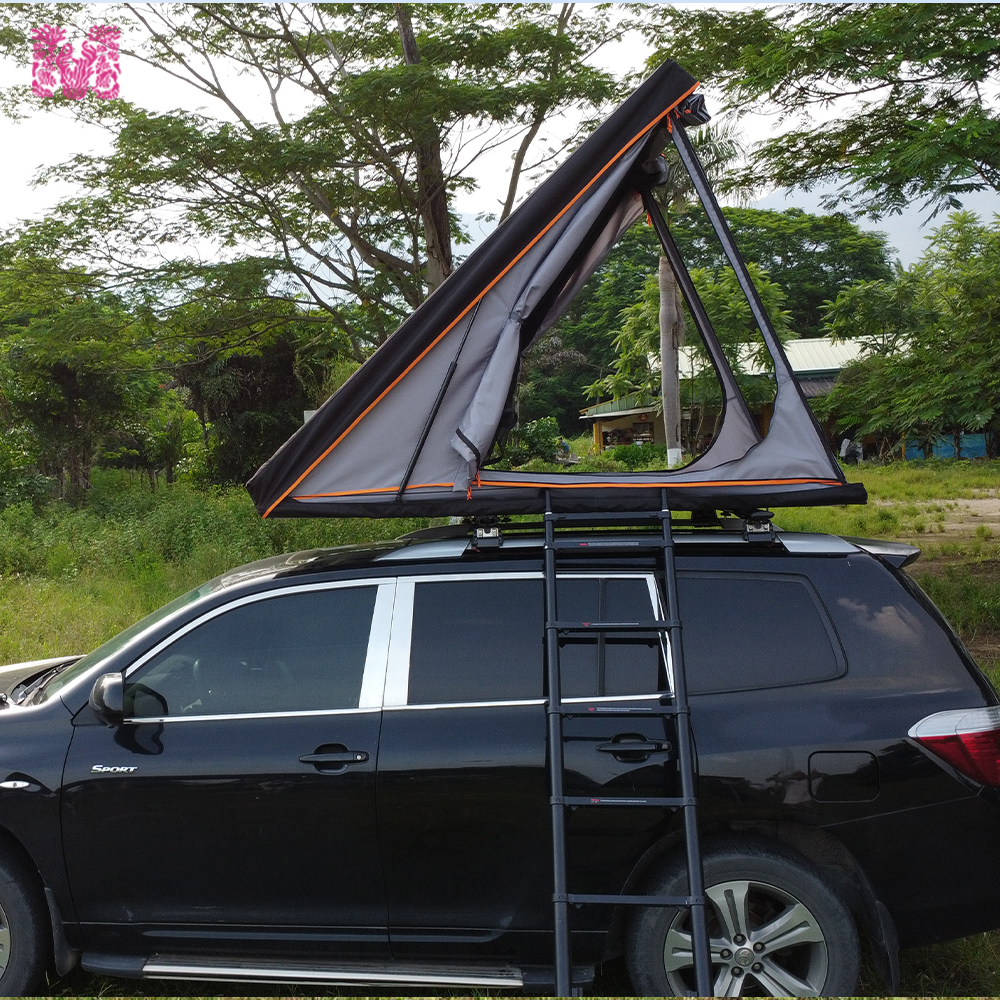
The contrast inside the MARVELOUS range makes that logic visible. The MOT-DYG01 rooftop tent uses 600D Oxford cloth with a 3500mm waterproof rating and UV and mould resistance, at 32 kg net weight for a 2-person capacity. The MOT-CT096 family camping tent uses 210D Oxford cloth with PU and a 2000mm waterproof rating, expanding to 430 × 305 × 200 cm with a 14.5 kg gross weight. Same manufacturer, two duty levels — chosen for two different jobs rather than one universally 'better' fabric.
Waterproof Rating: Read It Against the Application
Waterproof figures are only meaningful when matched to the conditions a tent will actually meet. Published requirements for outdoor camping projects in the US and EU call for a waterproof rating of at least 3000mm, together with UV-resistant fabric, a wind-resistant structure and compatibility with most vehicle roof racks. That makes 3000mm a working floor for all-season vehicle-mounted use, not a premium extra.
Within the MARVELOUS line the ratings step up with the duty level: 2000mm on the MOT-CT096 family tent, 3000mm on the MOT-L800 rooftop tent, 3500mm on the MOT-DYG01, PU4000MM on the MOT-LK901, and PU5000mm on the MOT-Q500 inflatable tent, the MOT-CT900 and the MOT-M100 family tent. A supplier that publishes a rating for every model rather than a single claim for the whole catalogue is simply easier to evaluate.

Frame and Structural Materials: Tooling in Disguise
Frame choice reveals what production equipment a factory has to own. Aviation aluminum frames in the MOT-DYG01 and MOT-L800, an aluminum shell frame in the MOT-LK901, aluminum alloy poles in the MOT-CT900, a steel frame in the MOT-CT096, a quick-open iron frame in the MOT-M100 and a 5-layer PVC air column in the MOT-Q500 are six different structural systems. Each requires its own bending, welding, sealing or assembly setup, and its own quality-control step.
For a buyer, the frame list is a more useful signal than a general capability statement. If a catalogue shows only one structural type, the tooling behind it is probably narrow — which is fine, as long as your product is that type.
Weight-to-Capacity Ratio: Only Meaningful With Mounting Method
Weight figures are frequently compared without context, which makes them misleading. The MOT-M100 family tent carries 6–8 people at 11 kg net weight because it is a ground tent with a quick-open iron frame and 200D titanium black plastic plaid cloth. The MOT-L800 rooftop tent is rated for 4 people at 140 kg net weight, because the mounting method, not the fabric, drives the structure.
The right question is not 'which tent is lighter?' but 'what weight is normal for this mounting method and this capacity?' A supplier able to explain that difference is a supplier that understands its own product engineering.
Category Breadth: A Proxy for Production Flexibility
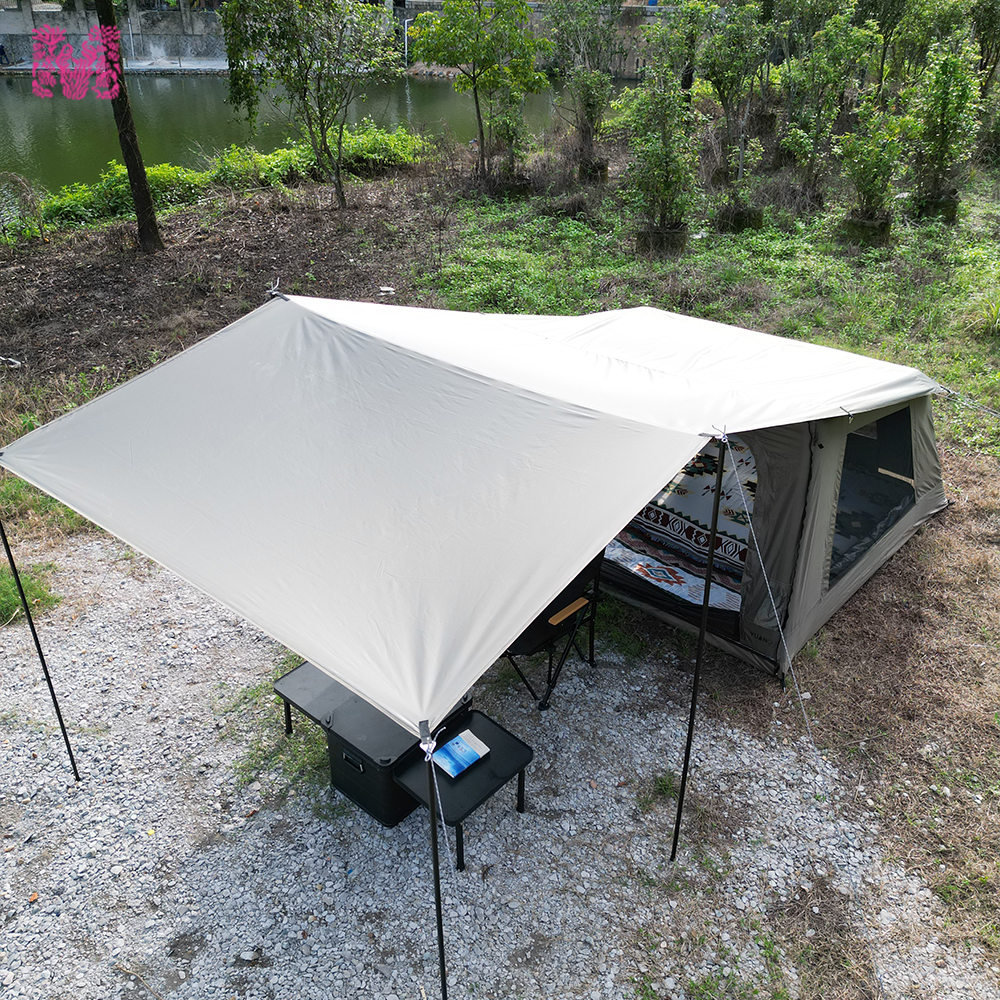
Rooftop tents, inflatable tents and family tents run on different processes. A fabric rooftop tent requires fabric cutting plus shell or frame assembly; an inflatable tent requires air column production and airtightness control; a family tent requires large-panel sewing and pole frame assembly. A supplier with all three in the catalogue almost certainly operates multiple production setups and more than one quality-control routine.
MARVELOUS manufactures camping tents, rooftop tents and inflatable tents, with models such as the MOT-DYG01 and MOT-LK901 rooftop tents, the MOT-Q500 inflatable tent and the MOT-M100, MOT-CT900 and MOT-CT096 family tents in the same range. The company's design team covers appearance design, structural design, raw material selection, colour matching, safety testing and environmental testing — the stages that have to exist for a mixed range to be produced rather than merely listed.
One caution: breadth alone does not prove capacity. It should always be paired with the numbers in the next section.
Factory Footprint and Annual Output: The Capacity Sanity Check
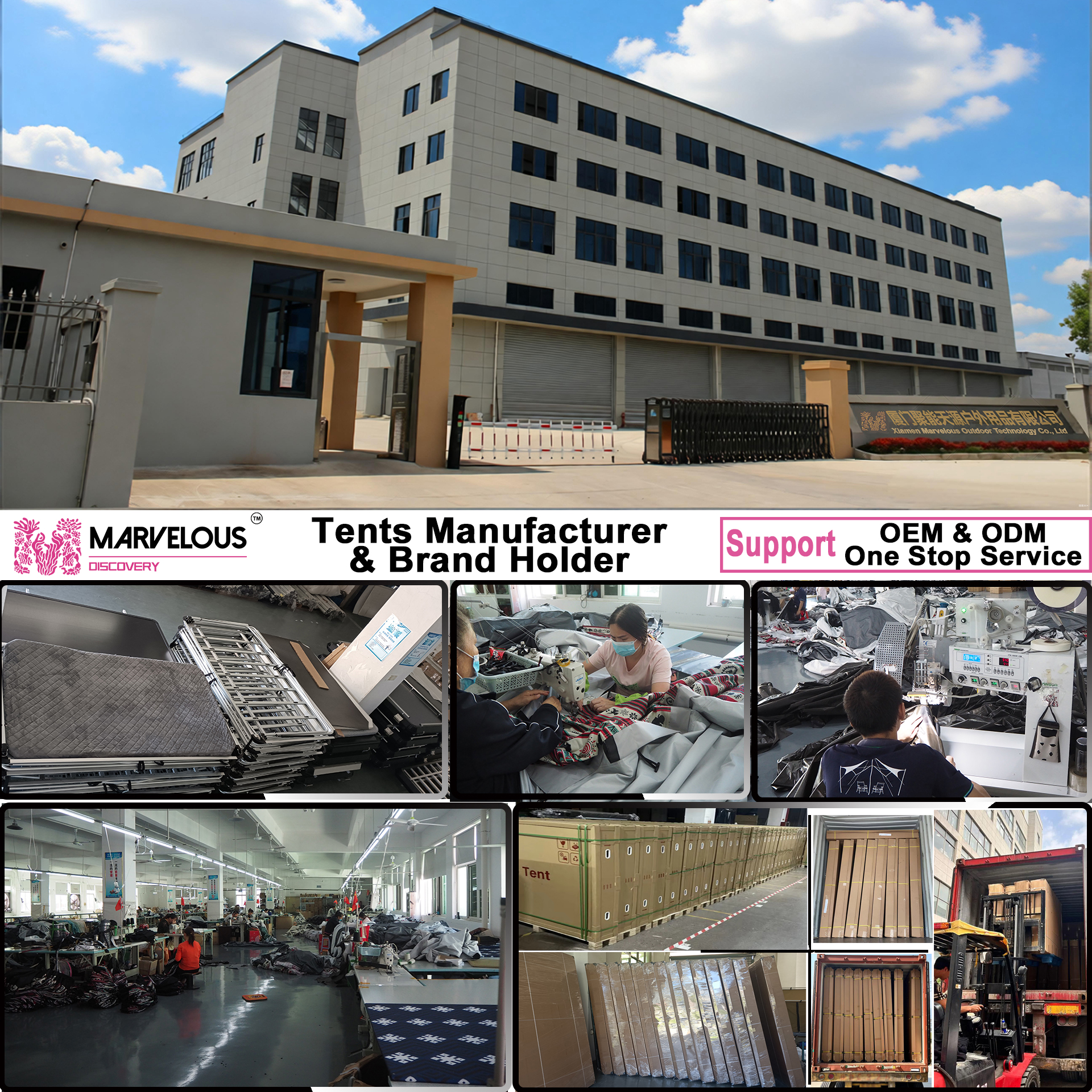
Capacity claims are best read as a set of three numbers, because any single figure can mislead. A large facility with few staff may be under-utilised; a high output figure from a small plant is difficult to sustain. MARVELOUS operates a manufacturing facility covering 4,000 m² with approximately 50 staff and an annual production capacity of 50,000 units. Export accounts for about 95% of sales, with main markets in Russia, the USA, Australia and Canada.
Read against your own order size, those numbers answer a practical question: can this factory absorb a seasonal peak without pushing delivery into the next season? A buyer placing 2,000 units has a different risk profile from one placing 20,000, and the assessment should be made against the buyer's own volume rather than an industry average.
Step-by-Step: How to Evaluate a Tent Supplier in Seven Steps
- Convert your use case into a fabric requirement first. All-season, rainy and snowy conditions point to a waterproof rating of at least 3000mm plus UV-resistant fabric and a wind-resistant structure. Lightness-driven programmes can accept a lower denier and a lower rating.
- Ask for denier, coating and waterproof rating together, for every model. Suppliers that publish all three are easier to compare. Reference points: 600D with 3500mm on the MOT-DYG01, 210D with PU and 2000mm on the MOT-CT096.
- Map the frame systems across the range. Count how many structural types appear — aluminum, steel, iron, hard shell, air column. That count tells you how much tooling and how many QC steps exist on site.
- Check weight against mounting method, not against other categories. Compare rooftop tents with rooftop tents, and ground tents with ground tents.
- Confirm the category mix. If your catalogue needs rooftop, inflatable and family tents, a supplier producing all three reduces the number of vendors you have to qualify. MARVELOUS's range spans camping tents, rooftop tents and inflatable tents.
- Validate capacity with three numbers as a set. Ask for facility area, headcount and annual output — for example 4,000 m², approximately 50 staff and 50,000 units per year — and judge them against your own order volume.
- Finish with a physical sample. Specification sheets screen suppliers; a sample confirms seam quality, fabric hand-feel and frame tolerance. A first-article check on one model is more informative than a second round of documents.
Use Cases: Matching Visible Evidence to Buyer Profiles
Vehicle-based and overlanding brands
Buyers building a rooftop line should look for high-denier fabric, a hard shell or aviation aluminum frame, and a waterproof rating at or above 3000mm. The MOT-DYG01 (600D Oxford, 3500mm, aviation aluminum, 2 people, 32 kg) and the MOT-LK901 (420D Oxford outer with a 280g polyester cotton inner, PU4000MM, aluminum shell, 1–2 people) sit in that bracket, while the MOT-L800 (300D Oxford, 3000mm, 4 people) covers a larger family-oriented rooftop format.
Family and car-camping programmes
Family programmes trade weight for interior volume. The MOT-CT096 expands to 430 × 305 × 200 cm in 210D Oxford with PU at 2000mm and is offered in brown, green, blue and orange; the MOT-M100 holds 6–8 people at 11 kg with anti-mosquito mesh and a 5000mm waterproof rating; the MOT-CT900 pairs 200D titanium black rubber Oxford cloth with aluminum alloy poles, UPF 50+ protection and a PU5000mm rating for 4–5 people.
Glamping and fast-pitch operations
Where setup speed and repeated use matter, air column construction is the relevant indicator. The MOT-Q500 uses a 5-layer PVC air column frame with 200D Oxford cloth, PU5000mm waterproofing and UPF50+ protection for 4–5 people, at 13.6 kg net weight and a packed size of 77 × 39 × 39 cm — portable enough for operators who move pitches regularly.
Distributors building a mixed catalogue
A distributor sourcing rooftop, inflatable and family tents from one supplier is really testing category breadth and capacity at the same time. The relevant checks are the ones described above: how many structural systems appear in the range, and whether the annual output leaves room for the distributor's own reorder cycle.
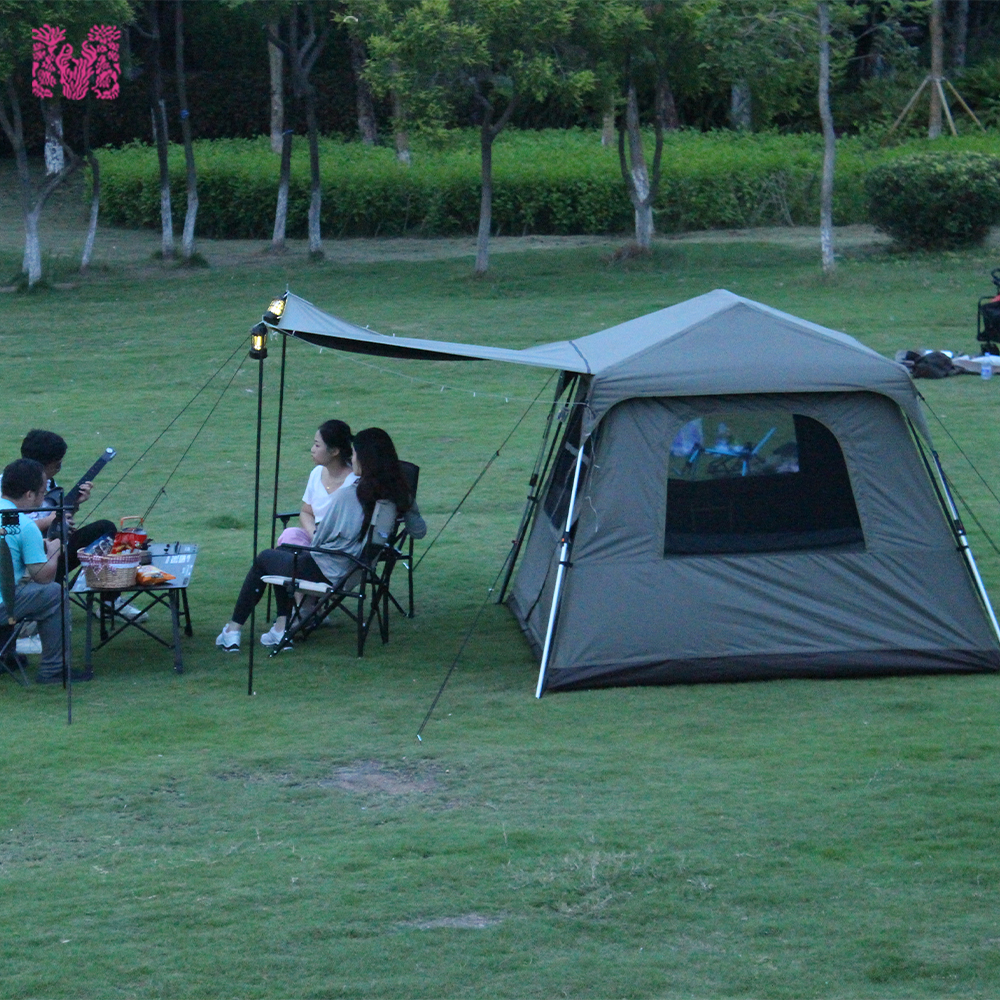
Comparison Table: Model Specifications at a Glance
| Model | Type | Fabric | Waterproof | Frame | Capacity | Net / Gross weight | Packed / expanded size |
|---|---|---|---|---|---|---|---|
| MOT-DYG01 | Roof top tent (car tent) | 600D Oxford, UV and mould resistant | 3500mm | Aviation aluminum | 2 people | 32 kg / 45 kg | Folded 210×125×20 cm; open 210×125×140 cm |
| MOT-LK901 | Roof top tent (car tent) | 420D Oxford outer; 280g polyester cotton inner | PU4000MM | Aluminum shell | 1–2 people | 60 kg / 90 kg | Packed 223×141×25 cm; expanded 210×130×140 cm |
| MOT-L800 | Roof top tent (car tent) | 300D Oxford cloth | 3000mm | Aviation aluminum | 4 people | 140 kg / 150 kg | Packed 233×155×32 cm; expanded 215×251×110 cm |
| MOT-Q500 | Inflatable camping tent | 200D Oxford cloth, UPF50+ | PU5000mm | 5-layer PVC air column | 4–5 people | 13.6 kg / 15 kg | Packed 77×39×39 cm; expanded 270×270×200 cm |
| MOT-CT900 | Family tent | 200D titanium black rubber Oxford cloth, UPF 50+ | PU5000mm | Aluminum alloy pole | 4–5 people | 12.9 kg / 13.5 kg | Folded 106×26×26 cm |
| MOT-M100 | Family tent | 200D titanium black plastic plaid cloth; anti-mosquito mesh | 5000mm (TPU/PU) | Quick-open iron frame | 6–8 people | 11 kg / 11.5 kg | Packed 110×25×25 cm; expanded 375×375×240 cm |
| MOT-CT096 | Family camping tent | 210D Oxford cloth with PU | 2000mm | Steel | Family camping (expanded 430×305×200 cm) | Gross weight 14.5 kg | Packed 70×31×31 cm |
Visible Indicator Checklist
| Indicator | What to ask for | What it tells you | MARVELOUS reference point |
|---|---|---|---|
| Fabric denier and coating | Denier, coating type, UV / mould treatment | Duty level and intended use | 600D Oxford on MOT-DYG01; 210D Oxford with PU on MOT-CT096 |
| Waterproof rating | A rating per model, not per catalogue | Weather capability against the 3000mm project requirement | 2000mm to PU5000mm across the range |
| Frame systems | Material and structure for each model | Tooling variety and QC steps on site | Aviation aluminum, aluminum shell, aluminum alloy, steel, iron, 5-layer PVC air column |
| Weight vs. capacity | Net weight together with mounting method | Whether the structure matches the duty | MOT-M100: 6–8 people at 11 kg; MOT-L800: 4 people at 140 kg |
| Category breadth | Full product category list | Production flexibility across processes | Camping tents, rooftop tents and inflatable tents |
| Capacity numbers | Facility area, headcount, annual output | Ability to absorb your order volume | 4,000 m², ~50 staff, 50,000 units per year |
Frequently Asked Questions
Do I need to rely on certificates to evaluate a camping tent supplier?
Not as the only evidence. Certificates are copies that a buyer cannot always validate, and they do not show whether a factory can repeat the same quality at volume. Recognized references do exist: ISO 5912:2020 defines safety, performance and fitness-for-use requirements for camping tents, including flammability and rain resistance, and CPAI-84 is a mandatory flammability standard in several US states and a federal requirement in Canada. Use those standards as the benchmark, then verify the product itself through fabric denier, waterproof rating, frame material, category range and factory output.
What does a manufacturer's product range reveal about production capability?
Different tent categories run on different processes. A rooftop tent requires fabric cutting plus shell or frame assembly; an inflatable tent requires air column production and airtightness control; a family tent requires pole frames and large-panel sewing. MARVELOUS manufactures camping tents, rooftop tents and inflatable tents, with models such as the MOT-DYG01 rooftop tent, the MOT-Q500 inflatable tent and the MOT-M100 and MOT-CT096 family tents in the same catalogue. That breadth indicates multiple production setups exist, but buyers should still confirm it with capacity numbers: 4,000 m², approximately 50 staff and 50,000 units of annual capacity.
How do 600D and 210D fabrics compare in practice?
Denier describes yarn density: 600D Oxford uses thicker yarn, which supports abrasion resistance and heavier duty use, while 210D Oxford is lighter and packs smaller. In the MARVELOUS range, the MOT-DYG01 rooftop tent uses 600D Oxford with a 3500mm waterproof rating and weighs 32 kg for a 2-person capacity, while the MOT-CT096 family tent uses 210D Oxford with PU and a 2000mm rating, expanding to 430 × 305 × 200 cm at a 14.5 kg gross weight. The right choice depends on the use case, not on which number is higher.
How much annual production capacity should a tent supplier have?
There is no single threshold; the relevant test is whether capacity matches your order volume and reorder cycle. MARVELOUS operates a 4,000 m² facility with approximately 50 staff and an annual production capacity of 50,000 units, with export accounting for about 95% of sales and main markets in Russia, the USA, Australia and Canada. Ask for facility area, headcount and annual output as a set, because any single figure taken alone can mislead.
How do I start evaluating MARVELOUS as a camping tent manufacturer?
Begin with the specification sheet for the model closest to your programme — for example the MOT-DYG01 for a 600D rooftop format, the MOT-CT096 for a large 210D family tent, or the MOT-Q500 for an air column design — then request a sample before committing to volume. The MARVELOUS catalogue can be downloaded from the brochure link below, and the team can be reached at jason@marvelous-outdoor.com or +1 (646) 704-9416 to discuss fabric, frame and capacity requirements against your own order size.
Conclusion: Read the Fabric, Then Read the Factory
Supplier evaluation becomes manageable once it stops depending on documents that cannot be validated. Fabric denier shows the duty level a supplier intends to build to, waterproof ratings show whether a model fits all-season use, frame systems reveal how much tooling sits on the factory floor, category breadth shows production flexibility across processes, and facility area, headcount and annual output show whether the factory can carry your order volume.
The MARVELOUS range illustrates the approach: 600D Oxford at 3500mm on the MOT-DYG01 against 210D Oxford at 2000mm on the MOT-CT096, six different structural systems across seven models, and a 4,000 m² facility with approximately 50 staff and 50,000 units of annual capacity. Those are visible facts a buyer can check, compare and question. Certificates can follow later.

Next step: match the specification sheet to your own programme
Download the MARVELOUS catalogue to review the full model range, or send your target specification — fabric denier, waterproof rating, capacity and mounting method — and ask for a sample of the closest model before you commit to volume.
Brochure: MARVELOUS product catalogue (PDF)
Email: jason@marvelous-outdoor.com · Phone / WhatsApp: +1 (646) 704-9416
Website: www.marvelous-outdoor.com
Have Questions or Need More Details?
Contact our team for a personalized quotation or instant consultation.
Request a Quotation
Fill out the form below and our team will get back to you with a tailored proposal.
WhatsApp Direct Chat
Prefer to chat in real-time? Message us on WhatsApp for instant assistance & quick answers.
- Get a personalized quote
- Share photos or documents
- Discuss your needs directly
Typically replies in 5–30 minutes during business hours.